



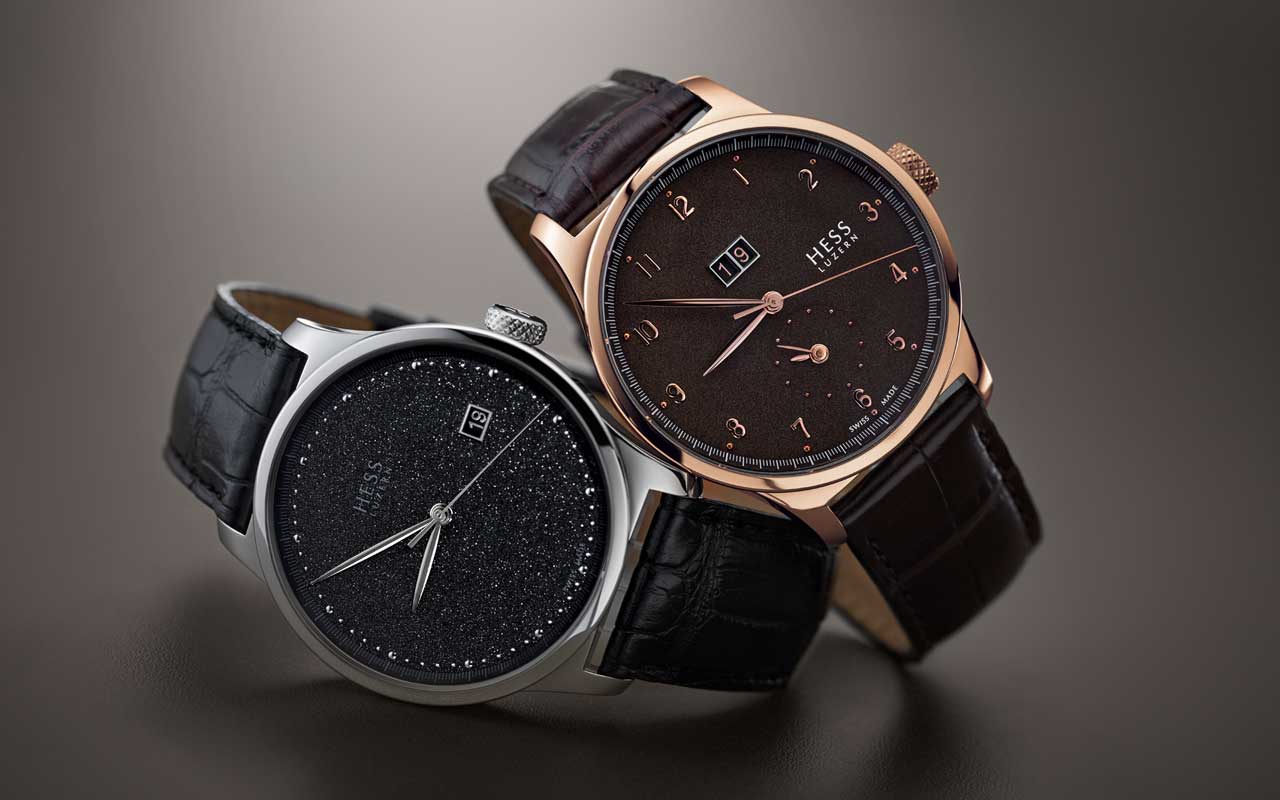
Silver or Gold?
Choosing between silver and gold in a watch is more than selecting a colour – it’s choosing a style, a presence, and ultimately the way a timepiece expresses itself on the wrist. As a watchmaker, I’ve gathered a fair share of experience over the years – along with some insights that might help you decide.
by Walter Hess
Silver, to me, is the quiet classic. Elegant, timeless, and remarkably versatile – the understated all-rounder among watch tones. It whispers rather than shouts, but always with refinement. Gold, on the other hand? Warm, expressive, and inherently luxurious – a colour that confidently says: “Here I am.”
Material & Care
Gold, even in alloyed form, is naturally softer and therefore more prone to scratches. A bit of mindfulness and the occasional polish go a long way. Stainless steel, by contrast, is far more resistant and perfectly suited for everyday wear.
Silver tends to tarnish over time and requires periodic cleaning to maintain its shine. When worn regularly, however, it naturally polishes itself and demands very little additional care. White gold behaves much like yellow gold but carries a quiet sophistication – recognised as gold only by true connoisseurs.
Skin & Comfort
Gold is hypoallergenic, meaning skin reactions are extremely unlikely.
The stainless steel we use – 316L – contains chromium, nickel, and a touch of molybdenum. As an austenitic, anti-magnetic steel, it offers excellent biocompatibility and is highly unlikely to cause allergies or irritations.
Silver has antibacterial properties, but when worn directly on the skin it may leave dark marks. These are harmless and wash off easily with water and soap.
Investment & Value
Gold generally carries a higher intrinsic material value and can be considered a long-term investment. Silver or stainless-steel watches, meanwhile, excel in durability, ease of wear, and timeless appearance – making them ideal companions for everyday life.
